Vintage Christmas Png Retro Highland Cow: A Practical Guide for Creators
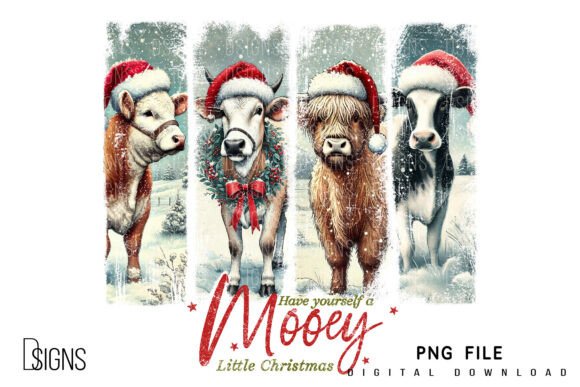
The intersection of rustic farmhouse charm and nostalgic holiday aesthetics has created a massive demand for specific digital assets, and the Vintage Christmas Png Retro Highland Cow sits right at the center of this trend. For crafters, small business owners, and DIY enthusiasts, this specific graphic style offers a unique blend of warmth and whimsy that standard clip art often lacks. However, acquiring the file is only the first step. The difference between a professional-looking product and an amateur attempt often lies in understanding the technical specifications and application limitations of these digital downloads. Immersing yourself in digital creativity requires more than just inspiration; it demands a practical understanding of how high-quality PNG files function across different mediums.
Understanding the Asset Specifications
Before you begin designing t-shirts, mugs, or handmade cards, you must understand exactly what you are working with. This instant download provides a PNG file at 300 dpi with a transparent background, featuring a longest side of 12 inches. These specifications are industry standards for print-on-demand and home crafting, but they are frequently misunderstood by beginners. The 300 dpi (dots per inch) resolution ensures that the image remains crisp when printed, avoiding the pixelation that plagues lower-quality web images. The transparent background is equally critical, allowing you to layer the retro highland cow over colored cardstock, fabric, or digital backgrounds without an unsightly white box surrounding the design.
A common point of confusion arises from the "not editable" designation. Many creators assume that because a file is digital, they can manipulate individual elements within it. It is vital to recognize that this PNG is a flattened raster image. You cannot move the cow’s hat, change the color of the holly berries, or adjust the vintage texture independently. Understanding this limitation upfront prevents frustration later. If you require customizable layers, you would need a vector file or a layered PSD, which this product is not. Embracing the file as a complete, cohesive composition allows you to focus on placement and scaling rather than attempting impossible edits.
Avoiding Sizing and Resolution Pitfalls
One of the most frequent mistakes makers encounter involves mismanaging the 12-inch maximum dimension. While 12 inches is generous for items like phone cases, stickers, and standard greeting cards, it requires careful planning for larger projects. If you attempt to stretch this image beyond its native resolution for a large tote bag or wall art, the quality will degrade significantly. Software may try to interpolate the pixels, resulting in a blurry or soft appearance that undermines the vintage aesthetic.
To avoid this, always check your project dimensions before importing the file. If your intended print area exceeds 12 inches on the longest side, consider using the graphic as a central focal point surrounded by complementary text or border elements rather than stretching the image itself. Alternatively, use the high-resolution file for smaller applications where the detail shines. For example, the intricate fur texture and retro shading of the highland cow are best appreciated at sizes between 4 and 10 inches. Using the asset within its optimal range ensures that every brushstroke and grain effect remains sharp and intentional.
Color Management for Print vs. Screen
Digital screens display colors using RGB light, while printers use CMYK ink. This fundamental difference often leads to disappointment when the vibrant reds and deep greens of a Vintage Christmas Png Retro Highland Cow appear duller on paper than they did on your monitor. This is not necessarily a defect in the file, but a reality of physical printing. Professional designers anticipate this shift and adjust their workflow accordingly.
When preparing this graphic for merchandise like tumblers or apparel, perform a test print on your specific equipment. Home inkjet printers, commercial DTF transfers, and sublimation presses all interpret color differently. If the vintage tones look too dark in print, you may need to slightly increase brightness or contrast in your design software before exporting your final layout. Do not rely solely on the screen preview. By validating colors early, you prevent wasted materials and ensure the final product matches the cozy, nostalgic vibe you envisioned. This proactive approach saves both time and money, especially for entrepreneurs fulfilling customer orders.
Strategic Application Across Mediums
Versatility is the primary advantage of this digital resource, but each medium requires a tailored approach. What works beautifully on a matte greeting card may fail on a glossy ceramic mug. The transparent background makes layering easy, but surface texture matters. On rough fabrics like canvas bags, fine details in the retro illustration might get lost. In these cases, adding a subtle solid backing or increasing the line weight through outline effects can improve visibility and durability.
For adhesive projects like stickers and decals, consider the cutting line. Intricate vintage edges can be difficult for consumer-grade cutting machines to track. Simplifying the cut path around the highland cow, rather than trying to follow every jagged edge of the original artwork, often results in a cleaner peel and better adhesion. Conversely, for framed artwork or digital invitations, you can utilize the full complexity of the image. Matching the application technique to the physical properties of the end product elevates the perceived value of your creation.
Evaluating Quality Before Purchase
Not all retro graphics are created equal. When evaluating a Vintage Christmas Png Retro Highland Cow or similar assets, look beyond the thumbnail. Zoom in to inspect edge cleanliness. Poorly processed PNGs often have halos, stray pixels, or jagged anti-aliasing that becomes obvious against dark backgrounds. Since this file is non-editable, you cannot easily fix these artifacts. Ensuring the source file is clean guarantees that your finished projects look polished.
Additionally, verify the licensing terms relative to your goals. While the file is perfect for personal DIY endeavors and many commercial applications, understanding the specific usage rights protects your business. Confirm whether the license covers physical products for sale, digital redistribution, or branding use. Making informed decisions about licensing and technical quality upfront establishes a solid foundation for your creative projects. By treating this digital asset with technical respect and strategic foresight, you transform a simple download into a versatile tool that consistently delivers professional, heartwarming results across all your holiday creations.