Integrating Lotus Girl Floral Redwork Embroidery into Creative and Commercial Workflows
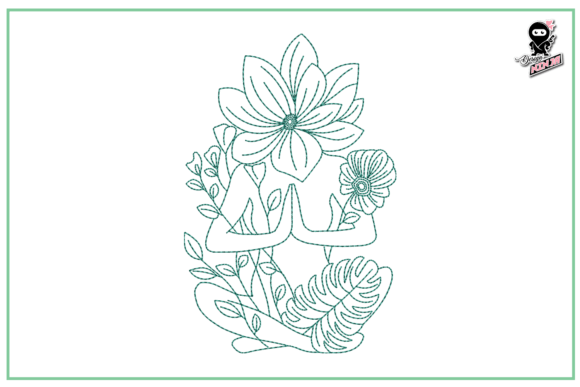
The Lotus Girl, Floral Redwork Embroidery design represents a specific intersection of traditional aesthetic and modern digital manufacturing. For creators, small business owners, and hobbyists, this asset is more than a decorative element; it is a functional component within a broader production workflow. Redwork embroidery, characterized by its use of red thread on white or natural fabric, historically relied on simple running stitches to outline motifs. Translating this style into a high-quality machine embroidery format requires precise digitization that preserves the delicate nature of the original art while ensuring structural integrity during automated stitching. Understanding where this design fits into your planning, execution, and quality control processes is essential for achieving professional results.
Strategic Planning and Asset Preparation
Before the needle touches the fabric, the integration of the Lotus Girl design begins with digital asset management and project planning. Whether you are creating a capsule clothing collection, customizing home decor, or producing personalized gifts, the preparation phase dictates the final outcome. This design comes with multiple embroidery file formats, ensuring compatibility with most embroidery machines, but selecting the correct format for your specific hardware is the first critical decision.
Professionals and educators should treat this digital file as a master asset. Organize your design library by theme, stitch count, and hoop size rather than just file name. When planning a product line featuring the Lotus Girl motif, consider the scalability of the design. Redwork relies heavily on line definition; therefore, resizing must be done within specialized embroidery software rather than generic graphic tools to prevent stitch distortion. If you intend to use this design across various items—from denim jackets to linen napkins—you must plan for different stabilizer requirements and fabric weights during the pre-production stage.
- File Verification: Always test-load the specific file format native to your machine to ensure pathing and color stops are preserved correctly.
- Hoop Allocation: Map out the exact dimensions of the Lotus Girl design against your available hoop inventory to minimize re-hooping time.
- Thread Inventory Check: Redwork traditionally uses a single color, but verify the specific shade of red specified in the design sheet to maintain consistency across multiple production runs.
- Stabilizer Selection Matrix: Create a reference chart pairing this specific design density with appropriate backing materials for different substrates.
Execution and Technical Implementation
The actual stitching process is where the quality of the Lotus Girl, Floral Redwork Embroidery design becomes apparent. High-quality machine embroidery designs are digitized to minimize jumps and trims, which directly impacts production efficiency and finish quality. During execution, the interaction between the digital pattern and physical materials determines success. Redwork designs can be deceptively simple; because they often lack heavy fill stitches, any tension issue or stabilization failure is immediately visible.
For those integrating this into a business workflow, consistency is paramount. Establish a standard operating procedure (SOP) for stitching this specific design. This includes setting consistent upper and bobbin tensions specifically for 40-weight rayon or cotton threads typically used in redwork. The design’s intricate floral lines require smooth fabric feed; using a sticky-back stabilizer or spray adhesive may be necessary to prevent shifting on lightweight fabrics like voile or batiste. Conversely, when applying the Lotus Girl to heavier textiles for home decor, a cut-away stabilizer provides the permanent support needed to prevent puckering over time.
Creativity and flair come from how you position and combine this asset. During the stitching phase, consider the placement relative to garment seams or home textile edges. The digital nature of this design allows for precise alignment using machine lasers or alignment stitches. For complex projects, basting the design area before running the final redwork pass ensures the fabric remains taut and the registration stays true. This step is non-negotiable for professionals delivering client work, as it mitigates the risk of misalignment that could ruin expensive base materials.
Workflow Integration for Diverse Applications
The versatility of the Lotus Girl design allows it to function effectively at different stages of various creative and commercial processes. Its application extends beyond simple decoration, serving as a value-add component in larger workflows.
- Product Development Phase: Use the design to create rapid prototypes. Because redwork is generally less dense than full-color embroidery, sample turnaround times are faster. This allows for quick iteration on placement and scale before committing to bulk production.
- Content Creation and Marketing: Document the stitching process of the Lotus Girl design for social media or educational content. The visual contrast of red thread on light fabric performs well visually, making it an ideal subject for demonstrating machine capabilities or teaching embroidery techniques to students.
- Customization Services: Integrate this floral motif as a standard option in personalization menus. Its classic aesthetic appeals to a wide demographic, making it a safe yet distinctive choice for wedding gifts, baby items, or heritage-style apparel.
- Mixed Media Projects: Combine the machine-embroidered Lotus Girl with hand-finishing techniques. The clean digital outlines serve as a perfect guide for adding hand-stitched accents, beads, or fabric painting after the machine work is complete, bridging digital and analog workflows.
Quality Control and Long-Term Asset Management
Post-production evaluation is as important as the stitching itself. After completing a piece with the Lotus Girl, Floral Redwork Embroidery, conduct a thorough quality assessment. Inspect the continuity of the redwork lines; gaps or overlapping stitches indicate tension problems or digitizing errors that need correction before future runs. Check the reverse side of the embroidery; excessive bobbin thread showing on top suggests the need for tension adjustment. For items intended for sale or gift-giving, ensure all jump stitches are trimmed and the stabilizer is removed cleanly without distorting the delicate floral lines.
Long-term usability of this design depends on proper maintenance and adaptation. Keep a production log noting which stabilizers and threads yielded the best results on specific fabrics. This data transforms a one-time project into a repeatable process. If you modify the design—perhaps mirroring it for a symmetrical garment layout or combining it with text—save these variations as distinct files with clear naming conventions. This prevents overwriting the master file and maintains an organized library for future reference.
Furthermore, consider the care instructions associated with this embroidery style. Redwork has historical roots in utilitarian textiles meant to be washed frequently. However, modern rayon threads may have different wash fastness than vintage cottons. When selling or gifting items featuring the Lotus Girl design, provide accurate care labels based on your testing. Recommending cold water washing and air drying preserves the vibrancy of the red thread and the integrity of the stitch structure. This attention to detail reinforces the perceived value of the work and demonstrates professional competence.
Enhancing Creativity Through Technical Precision
Ultimately, the goal of incorporating the Lotus Girl design is to elevate your embroidery game through a balance of artistic vision and technical reliability. Easy download and immediate compatibility remove friction from the start of the project, allowing you to focus on creative execution. Whether you are a freelancer building a portfolio, an educator demonstrating stitch types, or a hobbyist exploring new aesthetics, this design serves as a reliable foundation.
The true value lies in how seamlessly the asset integrates into your existing ecosystem. By treating the Lotus Girl, Floral Redwork Embroidery not just as a picture to be stitched, but as a variable in a controlled process, you achieve consistent, stunning pieces. The intricate details of the floral pattern demand respect for the craft, while the digital format offers the efficiency required for modern production. From the initial file organization to the final quality check, every step taken to optimize the use of this design contributes to a more refined, professional, and satisfying embroidery practice. Embrace the process, refine your techniques, and let the unique character of this redwork design enhance both your workflow and your finished creations.