Soccer Ball Split: Integrating Innovative Embroidery Design into Creative Workflows
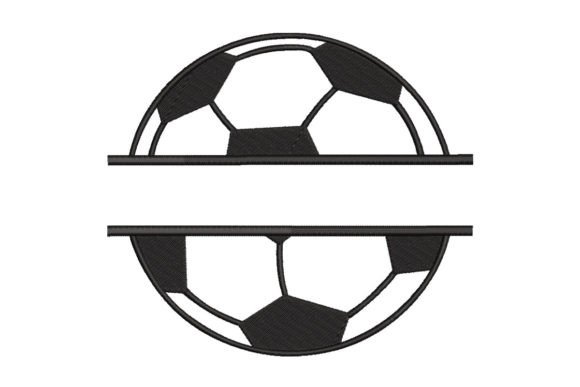
The Soccer Ball Split represents a specific intersection where athletic symbolism meets technical embroidery artistry. For creators, small business owners, and hobbyists, this design is more than a decorative motif; it is a functional asset that bridges the gap between sporty aesthetics and complex digitizing techniques. The "split" concept visually deconstructs the traditional soccer ball, offering a unique representation of the game’s duality and dynamic spirit. However, successfully implementing this innovative split soccer ball embroidery design requires understanding its role within a broader production workflow, from file selection to final quality control.
In practical terms, the Soccer Ball Split serves as a versatile graphical element that can be deployed at various stages of a project. Whether you are designing team merchandise, creating custom patches for collectors, or developing content for sports marketing, this design functions as a high-impact visual anchor. Its artistic flair distinguishes it from standard clip art, requiring a deliberate approach to integration. Understanding how this asset interacts with your existing tools, machines, and creative processes is essential for maximizing its value and ensuring professional results.
Pre-Production Planning and Asset Compatibility
Before threading a needle or finalizing a mockup, the implementation process begins with digital preparation. The Soccer Ball Split design typically arrives in multiple embroidery file formats, such as DST, PES, EXP, and JEF. This multi-format availability is critical for workflow efficiency, as it ensures compatibility across different machine ecosystems. Professionals managing diverse client orders must verify format integrity before production. A common bottleneck in embroidery workflows is assuming all file translations retain stitch data accurately. Always test the specific format native to your machine rather than relying on generic conversions that may alter the intricate details of the split design.
During the planning phase, consider the scale and application of the design. The innovative nature of the split aesthetic often involves varying stitch densities and directional changes to create depth. Reviewing the design in editing software allows you to assess jump stitches and trim counts. For entrepreneurs fulfilling bulk orders, optimizing these parameters during the pre-production stage can significantly reduce cycle times. If the Soccer Ball Split is intended for performance wear, you may need to adjust the underlay or density to prevent fabric distortion on stretch materials. This preparatory step transforms a static digital file into a production-ready asset tailored to specific substrates.
Material Selection and Stabilization Strategy
The artistic complexity of the Soccer Ball Split demands appropriate material pairing. The design’s dynamic lines and segmented appearance require a stable foundation to maintain registration. When integrating this design into apparel or accessories, select stabilizers based on the end-use rather than convenience. For structured caps or bags, a heavy cutaway stabilizer supports the dense fill areas often found in split designs. Conversely, lightweight performance fabrics may require a water-soluble topping to prevent stitches from sinking into the weave, which would obscure the artistic definition of the split effect.
- Fabric Weight Analysis: Match stabilizer weight to the garment; heavier designs like the Soccer Ball Split generally require 2.5 oz to 3.0 oz cutaway for knits.
- Topping Application: Use soluble toppings on textured fabrics like pique or fleece to ensure the split details remain crisp and visible.
- Hooping Technique: Maintain consistent tension to prevent shifting; the geometric nature of the split design makes misalignment immediately apparent.
- Needle Selection: Choose sharp needles for woven goods to pierce cleanly through dense stitch areas without damaging the split visual flow.
Execution and Machine Workflow Integration
Once production begins, the Soccer Ball Split acts as a benchmark for machine performance. Because this design blends sporty aesthetics with artistic detail, it often utilizes specialized stitch types to achieve the "split" look. During execution, monitor thread tension closely. Innovative embroidery designs frequently push the boundaries of standard digitizing, incorporating gradient fills or textured stitches that react differently to tension variances. Running a test stitch-out on the actual production material is not merely a safety measure; it is a calibration step that ensures the artistic intent survives the mechanical process.
For businesses integrating this design into larger collections, consistency is paramount. The Soccer Ball Split should be treated as a master component within your library. Document the specific thread colors, stabilizer combinations, and machine settings used for successful runs. This documentation creates a repeatable standard operating procedure (SOP). When freelancers or educators use this design for teaching or portfolio building, maintaining these records demonstrates professional rigor. It transforms a single creative act into a scalable process, allowing for efficient reproduction without sacrificing the unique character of the artwork.
Post-Production Finishing and Quality Control
The workflow does not end when the machine stops. Post-production finishing is where the innovative split soccer ball embroidery design achieves its final form. Removing excess stabilizer, trimming jump threads, and pressing the finished piece are integral to presenting the design’s duality effectively. The "split" visual relies on clean transitions between sections; stray threads or puckering can disrupt this artistic balance. Implementing a standardized finishing checklist ensures every unit meets quality expectations, whether for retail sale or personal use.
Quality control also extends to digital archiving. After validating the physical output, update your digital asset management system with notes regarding the Soccer Ball Split’s performance. Did the PES file run smoother than the DST? Did the design require hoop repositioning? Capturing this metadata enhances future usability. For marketers and bloggers showcasing the design, high-resolution photography of the finished texture communicates the premium nature of the work. The tactile quality of the embroidery reinforces the digital promise of the design, completing the loop between virtual asset and physical product.
Strategic Applications Across Different Domains
The versatility of the Soccer Ball Split allows it to function effectively across various professional and creative domains. For small business owners in the customization niche, this design offers a differentiated product option that avoids generic sports clichés. It appeals to clients seeking modern, artistic representations of soccer culture rather than traditional logos. By positioning the design as a premium, artistic alternative, businesses can justify higher price points and attract a demographic that values craftsmanship and unique aesthetics.
Educators and content creators utilize the Soccer Ball Split as a case study in advanced digitizing and design theory. The split concept provides a tangible example of how negative space and stitch direction influence visual perception. In learning activities, students can analyze how the design balances density and openness, applying these lessons to their own projects. For bloggers and publishers, featuring this design supports content regarding trend forecasting in sports fashion or technical tutorials on handling complex embroidery files. The design becomes a vehicle for delivering value-driven content that resonates with niche audiences.
Long-Term Asset Management and Evolution
Integrating the Soccer Ball Split into your routine involves thinking beyond immediate projects. As an evergreen asset, it should be organized within a searchable library tagged with relevant attributes such as "sports," "artistic," "split," and "multi-format." Efficient organization reduces friction when sourcing designs for future deadlines. Consider creating derivative versions for different applications; a simplified version for left-chest placement and a full-detail version for back panels. This modular approach maximizes the return on investment for the design file.
Furthermore, staying attuned to feedback loops improves long-term utility. If customers consistently request color variations or size adjustments for the Soccer Ball Split, incorporate these modifications into your master file set. For creators, tracking engagement metrics on social media posts featuring the design informs future artistic decisions. The goal is to maintain the design’s relevance by adapting it to evolving trends while preserving its core identity. This iterative process ensures the Soccer Ball Split remains a dynamic part of your creative arsenal rather than a static archive entry.
Optimizing Efficiency and Consistency
Efficiency in embroidery is rarely about speed alone; it is about predictable outcomes. The Soccer Ball Split facilitates this predictability when managed correctly. Standardizing hooping methods and thread palettes for this specific design reduces setup time for repeat orders. For freelancers juggling multiple clients, having a pre-tested configuration for popular assets like this minimizes cognitive load and production errors. Consistency builds trust with clients who expect the same high-quality artistic flair on their tenth order as they received on their first.
Ultimately, the successful integration of the Soccer Ball Split depends on viewing it as a process component rather than just an image. From verifying file formats and selecting stabilizers to documenting production parameters and managing digital archives, each step contributes to a seamless workflow. By applying practical, process-oriented strategies, professionals and hobbyists alike can unlock the full potential of this innovative design. The result is a harmonious blend of sporty energy and artistic precision that elevates both the creator’s portfolio and the end-user’s experience.